Optimizing business operations for cost reduction is crucial in today’s competitive landscape. This guide explores practical strategies to streamline processes, optimize resource management, and leverage technology to significantly lower expenses without sacrificing efficiency or quality. We’ll delve into real-world examples, proven methodologies, and actionable steps to help you navigate this critical aspect of business management.
From streamlining inefficient processes and implementing lean manufacturing principles to negotiating better supplier deals and harnessing the power of data analytics, this comprehensive guide provides a roadmap for achieving substantial cost savings. We will also cover the implementation of technology solutions, such as cloud computing and project management software, to further enhance efficiency and reduce operational overhead.
Streamlining Processes

Streamlining operational processes is crucial for reducing costs and improving efficiency. By identifying and eliminating inefficiencies, businesses can significantly improve their bottom line. This involves analyzing existing workflows, identifying bottlenecks, and implementing improvements to optimize resource utilization and reduce waste. This section will explore several common inefficiencies and offer solutions for improved processes.
Inefficient Operational Processes and Redesign
Many businesses struggle with inefficient processes that hinder productivity and increase costs. The following table highlights three common examples and suggests ways to improve them:
| Process | Inefficiency | Improved Process | Cost Savings |
|---|---|---|---|
| Order Fulfillment | Manual order entry, lack of real-time inventory tracking, inefficient warehouse layout leading to increased picking and packing times. | Implement an automated order management system integrated with inventory management software and optimize warehouse layout using lean principles (e.g., minimizing movement). Utilize barcode scanning and automated picking systems. | Reduced labor costs, minimized errors, faster delivery times leading to increased customer satisfaction and potentially higher sales. Quantifiable savings depend on the scale of the operation but could range from 10-25% in labor costs alone. |
| Customer Service | Long wait times, inconsistent service quality, lack of self-service options, reliance on email for all communication. | Implement a multi-channel customer service approach (phone, email, chat, social media). Utilize a ticketing system to track and manage inquiries. Develop a comprehensive knowledge base and FAQ section to empower self-service. | Reduced labor costs associated with handling simple inquiries, improved customer satisfaction leading to increased retention and potentially higher sales, faster resolution times. Savings can be significant, particularly in large organizations, possibly reaching 15-30% in customer service operational costs. |
| Procurement | Inefficient purchasing processes, lack of centralized purchasing system, reliance on manual invoice processing, and lack of supplier relationship management. | Implement a centralized purchasing system with automated purchase order generation and approval workflows. Utilize e-procurement tools for streamlined communication and automated invoice processing. Establish strong supplier relationships to negotiate better pricing and terms. | Reduced administrative costs, improved negotiation power leading to lower procurement costs, minimized errors, faster processing times. Cost savings could range from 5-15% depending on the complexity of the procurement process and volume of purchases. |
Lean Manufacturing Methodology Implementation
Lean manufacturing focuses on eliminating waste and maximizing value for the customer. Implementing this methodology involves a systematic approach:
1. Value Stream Mapping
Visually map the entire process from raw materials to finished product, identifying all steps and their associated time and costs. This provides a clear picture of where inefficiencies exist.
2. Identify Waste
Analyze the value stream map to identify seven types of waste: transportation, inventory, motion, waiting, overproduction, over-processing, and defects.
3. Kaizen Events
Conduct short, focused improvement events involving cross-functional teams to brainstorm and implement solutions to eliminate waste.
4. 5S Methodology
Implement a workplace organization system (Sort, Set in Order, Shine, Standardize, Sustain) to create a clean, efficient, and safe work environment.
5. Continuous Improvement
Establish a culture of continuous improvement through regular monitoring, feedback, and adjustments.
Automation Tools for Streamlining Repetitive Tasks
Automation tools significantly reduce labor costs and improve efficiency by handling repetitive tasks. Examples include robotic process automation (RPA) software, which can automate tasks such as data entry, invoice processing, and customer service interactions.
Cost-Benefit Analysis of Robotic Process Automation (RPA)
Let’s consider a hypothetical scenario: A company processes 10,000 invoices per month, each requiring 15 minutes of manual labor at a cost of $25/hour. The total monthly labor cost is $6,250. Implementing RPA software with a one-time cost of $10,000 and an annual maintenance fee of $2,000 could automate 80% of the process, reducing manual labor to 20% (2,000 invoices).
The new monthly labor cost would be $1,250.The annual savings would be ($6,250 – $1,250)12 = $60,000. The ROI (Return on Investment) after the first year would be ($60,000 – $2,000) / $10,000 = 5.8. This indicates a significant return on investment, even considering the initial software cost and ongoing maintenance. This positive ROI is likely to increase in subsequent years as the software continues to automate processes and labor costs remain relatively constant.
Optimizing Resource Management
Effective resource management is crucial for reducing operational costs. By strategically managing inventory, negotiating favorable supplier agreements, and implementing energy efficiency measures, businesses can significantly lower expenses and improve their bottom line. This section will explore practical strategies for optimizing resource use in these key areas.
Inventory Management Techniques
Different inventory management techniques offer varying levels of control over storage costs and waste reduction. The choice of method depends on factors such as the nature of the inventory, demand predictability, and storage capacity.
The following points compare and contrast several common techniques:
- Just-in-Time (JIT) Inventory: This method minimizes inventory holding costs by receiving materials only when needed for production. It reduces storage space requirements and minimizes the risk of obsolescence, but requires precise demand forecasting and strong supplier relationships. A disruption in the supply chain can significantly impact production.
- Economic Order Quantity (EOQ): EOQ calculates the optimal order size to minimize the total inventory costs, balancing ordering costs and holding costs. This approach aims for a balance between sufficient stock and avoiding excessive storage. However, it assumes constant demand, which may not always be the case.
- First-In, First-Out (FIFO): This method prioritizes the use of the oldest inventory first, minimizing the risk of spoilage or obsolescence, particularly for perishable goods. It provides a more accurate cost of goods sold calculation. However, it may not be as effective for non-perishable items with long shelf lives.
- Last-In, First-Out (LIFO): LIFO uses the newest inventory first. While this can be advantageous during periods of inflation (as the cost of goods sold reflects current prices), it can lead to higher inventory valuation and potentially higher taxes. It’s less suitable for perishable goods.
Supplier Negotiation Strategies
Negotiating favorable terms with suppliers is a powerful way to reduce raw material and service costs. Effective negotiation requires preparation, understanding the supplier’s needs, and employing strategic tactics.
Here are some key strategies:
- Develop strong relationships: Building long-term relationships fosters trust and collaboration, leading to better pricing and terms.
- Leverage volume: Larger order volumes often translate to discounted pricing. Explore options for consolidating orders or collaborating with other businesses.
- Explore alternative suppliers: Having multiple suppliers provides leverage during negotiations and reduces dependence on a single source.
- Negotiate payment terms: Extending payment terms can improve cash flow and potentially secure better pricing.
- Benchmark pricing: Research industry benchmarks to understand competitive pricing and use this information during negotiations.
- Focus on value, not just price: Consider the overall value proposition, including quality, reliability, and service, in addition to price.
For example, a company could negotiate a lower price per unit by committing to a larger order volume, or by agreeing to pay within a shorter timeframe. Another example is negotiating a service level agreement (SLA) that includes penalties for late deliveries or subpar service quality, incentivizing the supplier to meet performance expectations.
Energy Efficiency Improvements in an Office Building
Consider a hypothetical three-story office building with inefficient lighting, HVAC systems, and outdated insulation. Before improvements, the building’s energy flow is characterized by significant energy loss through poor insulation, inefficient lighting, and outdated HVAC systems. This is visualized as a diagram showing energy entering the building, with a large portion escaping due to inefficiencies.
An energy efficiency improvement plan could include the following:
- LED Lighting Upgrade: Replacing incandescent and fluorescent lights with energy-efficient LEDs can reduce lighting energy consumption by up to 75%, with a payback period of typically less than two years.
- HVAC System Optimization: Implementing a smart thermostat system, regular maintenance, and potentially upgrading to a more efficient HVAC system can significantly reduce energy use for heating and cooling. This could involve installing high-efficiency filters and upgrading to variable refrigerant flow (VRF) systems.
- Improved Insulation: Enhancing insulation in walls, roofs, and windows reduces heat loss in winter and heat gain in summer, lowering the burden on the HVAC system. This could involve adding insulation to existing walls and replacing old windows with double- or triple-paned windows.
- Smart Power Management: Implementing a smart power management system to automate energy consumption based on occupancy and time of day can further reduce energy waste.
After improvements, a visual representation would show a much smaller portion of energy escaping the building. The diagram would highlight the reduced energy loss due to improved insulation, efficient lighting, and optimized HVAC systems. The overall energy consumption would be significantly lower, resulting in substantial cost savings. For example, a building consuming 100,000 kWh annually could see a reduction of 30-40% with these measures, saving thousands of dollars annually depending on the cost of electricity.
Leveraging Technology and Data
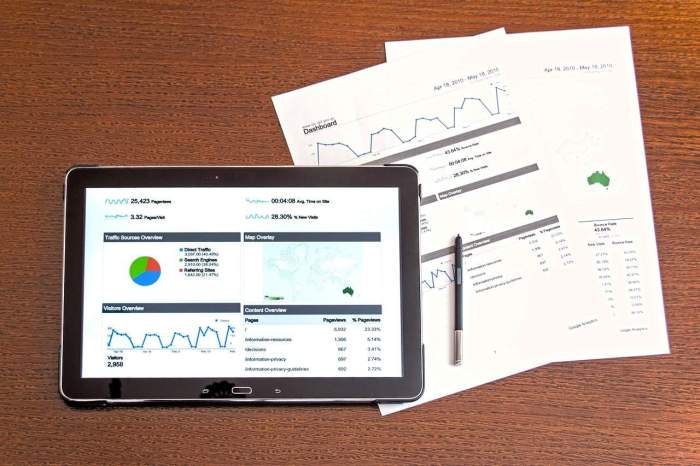
In today’s dynamic business environment, leveraging technology and data is no longer a luxury but a necessity for cost-effective operations. A strategic approach to data analysis and technological implementation can significantly reduce operational expenses and improve overall efficiency. This section will explore how robust data analytics systems, cloud-based solutions, and project management software can contribute to substantial cost savings.Data analytics provides invaluable insights into operational processes, revealing hidden inefficiencies and areas ripe for improvement.
By systematically collecting, analyzing, and interpreting data from various sources, businesses can identify patterns, trends, and anomalies that directly impact profitability. This data-driven approach allows for proactive decision-making, leading to targeted cost reduction strategies.
Data-Driven Decision Making for Cost Reduction
A robust data analytics system allows businesses to move beyond reactive problem-solving and embrace proactive cost management. For example, analyzing sales data can reveal seasonal trends, enabling businesses to optimize inventory levels and reduce storage costs. Similarly, analyzing energy consumption data can pinpoint areas of high energy usage, leading to targeted efficiency improvements and lower utility bills. By visualizing this data through dashboards and reports, key performance indicators (KPIs) can be easily monitored, facilitating informed decisions based on real-time insights.
This data-driven approach enables organizations to accurately forecast demand, optimize resource allocation, and identify opportunities for process automation, ultimately leading to significant cost savings.
Implementing Cloud-Based Solutions for IT Infrastructure Cost Reduction
Migrating to cloud-based solutions offers a compelling path to reducing IT infrastructure costs. The following steps Artikel a strategic approach to cloud migration:
- Assessment and Planning: Conduct a thorough assessment of your current IT infrastructure, identifying applications and data suitable for cloud migration. Develop a detailed migration plan outlining timelines, resources, and potential challenges.
- Choosing a Cloud Provider: Select a cloud provider (e.g., AWS, Azure, Google Cloud) that aligns with your business needs and budget. Consider factors such as scalability, security, and compliance requirements.
- Data Migration: Migrate your data and applications to the cloud in a phased approach, minimizing disruption to business operations. Implement robust data security measures throughout the migration process.
- Testing and Optimization: Thoroughly test the cloud environment to ensure performance and stability. Optimize cloud resources to minimize costs while maintaining performance requirements.
- Ongoing Monitoring and Management: Continuously monitor cloud resource usage and costs. Implement automated cost management tools to identify and address potential overspending.
Utilizing Project Management Software for Improved Collaboration and Reduced Project Overruns
Project management software streamlines team collaboration, enhances communication, and provides real-time visibility into project progress. This translates directly into cost savings by reducing project overruns, improving resource allocation, and minimizing rework. Features such as task assignment, progress tracking, and risk management tools allow project managers to proactively identify and address potential delays and cost overruns. For instance, a construction company using project management software can track material costs in real-time, preventing budget overruns.
Similarly, a software development team can use the software to track hours spent on each task, facilitating accurate budgeting and resource allocation. The improved efficiency and transparency offered by these tools lead to significant cost savings in the long run.
Conclusion
Ultimately, reducing operational costs requires a holistic approach encompassing process improvement, resource optimization, and strategic technology adoption. By implementing the strategies Artikeld in this guide, businesses can achieve significant cost savings, improve efficiency, and gain a competitive edge. Remember that continuous monitoring and adaptation are key to sustained success in this ongoing endeavor. Regularly assess your operations, identify new areas for improvement, and embrace innovative solutions to maintain a lean and profitable business.