Transforming your lifestyle for better health often hinges on changing ingrained habits. This journey, while challenging, is achievable through a structured approach. We’ll explore the psychology behind unhealthy habits, effective strategies for change, and how to maintain positive changes long-term. Understanding your current routines, identifying problematic behaviors, and implementing practical, sustainable solutions are key components to this process.
This guide provides a comprehensive framework, combining practical tools like habit trackers and personalized plans with insights into overcoming obstacles like motivation and stress. We’ll delve into various habit-change models, helping you choose the method best suited to your individual needs and preferences, ultimately empowering you to build a healthier, happier you.
Understanding Your Current Habits

Improving your health begins with a clear understanding of your current lifestyle. Many individuals unknowingly engage in patterns that hinder their well-being, often due to a lack of awareness or ingrained habits. By meticulously examining your daily routine, you can identify areas for improvement and create a more sustainable path toward better health.
A Typical Unhealthy Daily Routine
A common scenario for an individual with unhealthy habits might involve waking up late, skipping breakfast, consuming processed foods and sugary drinks throughout the day, engaging in minimal physical activity, and spending excessive time in front of screens. Stress management is often neglected, leading to poor sleep quality and further reinforcing unhealthy coping mechanisms. This cycle perpetuates itself, leading to a gradual decline in overall health and well-being.
Three Common Unhealthy Habits and Their Negative Impacts
Three prevalent unhealthy habits significantly impact health: poor diet, insufficient sleep, and lack of exercise. A diet high in processed foods, saturated fats, and sugar contributes to weight gain, increased risk of heart disease, type 2 diabetes, and certain cancers. Insufficient sleep weakens the immune system, impairs cognitive function, and increases the risk of chronic diseases. A sedentary lifestyle, lacking regular physical activity, leads to obesity, cardiovascular problems, and mental health issues.
Tracking Your Habits
Tracking your eating, sleeping, and exercise habits for a week provides valuable insights into your current lifestyle. This data forms the basis for creating targeted improvements. The following table provides a framework for this tracking process.
| Day | Food Intake (brief description) | Sleep Duration (hours) | Exercise (type and duration) |
|---|---|---|---|
| Monday | Breakfast: Cereal, Lunch: Sandwich, Dinner: Pizza | 6 | None |
| Tuesday | Breakfast: Coffee, Lunch: Leftover Pizza, Dinner: Fast Food | 5 | 30 minutes walk |
| Wednesday | Breakfast: Yogurt, Lunch: Salad, Dinner: Chicken and Vegetables | 7 | None |
| Thursday | Breakfast: Toast, Lunch: Soup, Dinner: Pasta | 6.5 | Yoga (45 minutes) |
| Friday | Breakfast: Skip, Lunch: Sandwich, Dinner: Takeout | 5.5 | None |
| Saturday | Breakfast: Pancakes, Lunch: Burger, Dinner: Chinese Food | 7.5 | Hiking (2 hours) |
| Sunday | Breakfast: Brunch (eggs, bacon), Lunch: Leftovers, Dinner: Roast Chicken | 8 | 30 minutes run |
Psychological Factors Contributing to Unhealthy Habits
Psychological factors play a significant role in maintaining unhealthy habits. Stress, emotional eating, lack of self-esteem, and learned behaviors all contribute. For example, individuals may turn to food as a coping mechanism for stress or anxiety, leading to overeating and weight gain. Similarly, a lack of self-efficacy, or belief in one’s ability to change, can hinder progress toward healthier habits.
Addressing these underlying psychological issues is crucial for long-term success in adopting and maintaining healthy behaviors.
Strategies for Habit Change
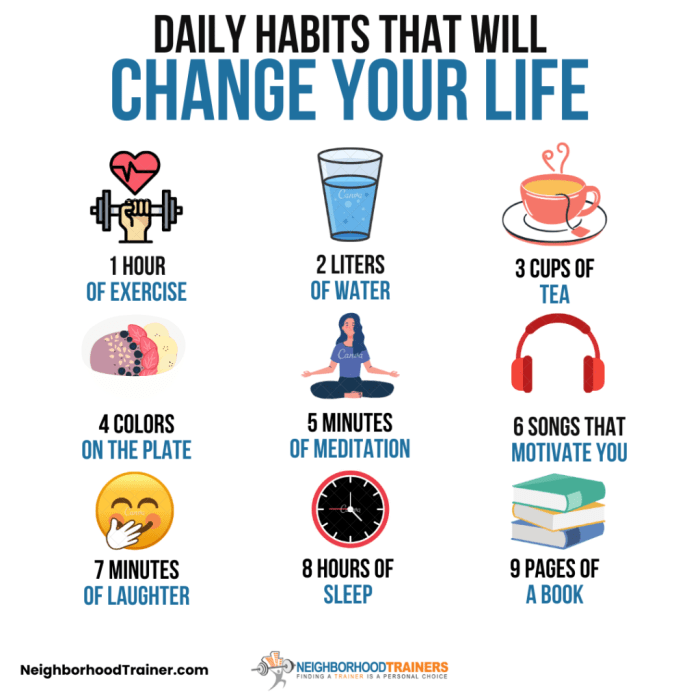
Changing ingrained habits requires a multifaceted approach. Understanding the psychology behind habit formation is crucial for developing effective strategies. This section explores various models for habit change, guides you in creating a personalized plan, and offers practical tips for overcoming common hurdles.
Habit Change Models: A Comparison
Several models explain how habits form and how to change them. The “habit loop,” for example, consists of a cue, a craving, a response, and a reward. Understanding this loop allows you to identify triggers and modify responses. Habit stacking involves linking a new habit to an existing one, leveraging existing routines to establish new behaviors. For instance, you might add a short meditation session after your morning coffee (existing habit).
Reward systems, on the other hand, focus on reinforcing desired behaviors with positive reinforcement. While habit stacking relies on association, reward systems directly incentivize the new habit. These models are not mutually exclusive; a comprehensive approach often combines elements from several.
Designing a Personalized Habit-Change Plan
A successful habit-change plan needs to be tailored to the individual. Begin by identifying a specific, measurable, achievable, relevant, and time-bound (SMART) goal. For example, instead of “eat healthier,” aim for “eat at least one serving of vegetables with dinner five days a week for the next month.” Next, break down the goal into smaller, manageable steps. Instead of drastically altering your diet overnight, gradually incorporate healthier choices.
Schedule specific times for your new habit, making it part of your daily routine. Regularly track your progress to maintain motivation and identify areas for adjustment. Celebrate small victories to reinforce positive behavior.
Overcoming Common Obstacles in Habit Change
Persistence is key in habit change. Lack of motivation is often addressed by setting realistic goals and celebrating milestones. Visualizing success and connecting the habit to your values can also bolster motivation. Stress, a significant obstacle, can be managed through mindfulness techniques, regular exercise, and sufficient sleep. These strategies help build resilience and improve your ability to cope with challenges.
Finally, seeking support from friends, family, or a support group can provide encouragement and accountability.
Replacing an Unhealthy Habit with a Healthy One
Replacing an unhealthy habit involves a step-by-step process. First, identify the unhealthy habit and its triggers. Second, choose a healthy replacement habit that addresses the same underlying need. For example, if you frequently snack out of boredom, replace it with a mindful activity like reading or taking a walk. Third, gradually introduce the new habit, starting with small, manageable changes.
Fourth, track your progress and adjust your approach as needed. Expect setbacks; they are a normal part of the process. When a setback occurs, analyze the situation, identify the trigger, and modify your plan accordingly. Persistence and self-compassion are essential throughout this process.
Maintaining Healthy Habits Long-Term
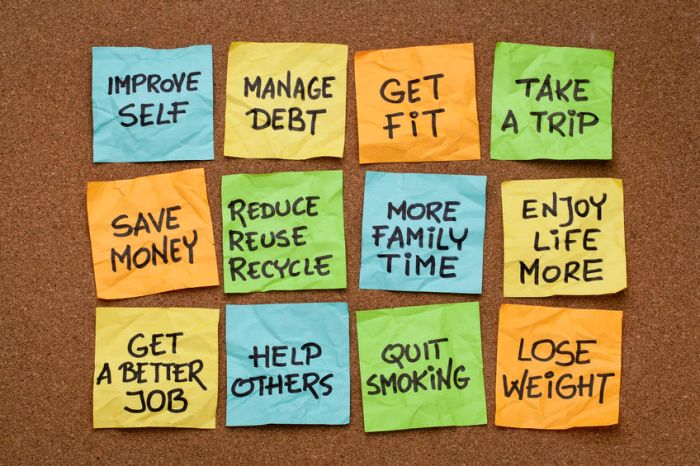
Sustaining positive health changes requires more than just initial motivation; it demands a long-term strategy built on realistic expectations and consistent effort. The journey towards lasting healthy habits is a marathon, not a sprint, and understanding this fundamental truth is crucial for success. This section will explore practical methods for maintaining your progress and building a sustainable, healthier lifestyle.
Setting Realistic Goals and Celebrating Small Victories
Achieving lasting health improvements hinges on setting achievable goals. Instead of aiming for drastic overnight changes, focus on small, incremental steps. For example, if your goal is to increase physical activity, start with a 15-minute walk three times a week, gradually increasing the duration and frequency as you build stamina and confidence. Similarly, if you’re working on improving your diet, begin by swapping one unhealthy snack for a healthier alternative daily, rather than attempting a complete dietary overhaul immediately.
Each small success should be acknowledged and celebrated – these victories build momentum and reinforce positive behavior. This positive reinforcement is key to maintaining motivation and preventing discouragement. Reward yourself for reaching milestones, but ensure the rewards align with your health goals. A celebratory dinner out might be counterproductive if you’re focusing on healthier eating.
Resources for Long-Term Habit Maintenance
Numerous resources can support your journey towards maintaining healthy habits. These tools can provide accountability, motivation, and practical guidance.
Utilizing these resources can significantly enhance your chances of success in the long run. Remember to select resources that align with your personality and preferences for optimal effectiveness.
- Apps: Many apps, such as MyFitnessPal (for tracking diet and exercise), Headspace (for mindfulness meditation), and HabitBull (for habit tracking), offer personalized support and progress monitoring.
- Support Groups: Connecting with others facing similar challenges can provide encouragement, accountability, and a sense of community. Online forums, in-person support groups (often offered through community centers or hospitals), and even social media groups dedicated to specific health goals can be invaluable.
- Online Communities and Forums: Websites and online forums dedicated to health and wellness provide a platform to connect with others, share experiences, and access a wealth of information and support.
Incorporating Mindfulness and Self-Compassion
Mindfulness and self-compassion are essential for long-term habit maintenance. Mindfulness involves paying attention to the present moment without judgment. Practicing mindfulness can help you become more aware of your thoughts, feelings, and behaviors, allowing you to identify triggers and patterns that might sabotage your efforts. Self-compassion involves treating yourself with kindness and understanding, especially during setbacks. Remember that everyone makes mistakes; setbacks are inevitable.
Instead of berating yourself, acknowledge your imperfections and approach the situation with understanding and forgiveness. Practice self-compassion by speaking to yourself as you would speak to a close friend facing a similar challenge.
Seeking Professional Guidance for Sustainable Health Improvements
Professional guidance can significantly enhance your chances of achieving and maintaining long-term health improvements. Different professionals offer unique expertise and support tailored to specific needs.
Consider the type of support that best aligns with your goals and challenges. A multi-faceted approach, integrating several types of professional guidance, may yield the most comprehensive and sustainable results.
| Professional | Potential Benefits |
|---|---|
| Registered Dietitian/Nutritionist | Personalized dietary plans, nutritional counseling, addressing specific dietary needs or restrictions. |
| Therapist/Counselor | Addressing emotional and psychological factors that might influence health behaviors, such as stress management and coping mechanisms. |
| Personal Trainer/Fitness Coach | Creating safe and effective exercise programs, providing motivation and guidance on fitness goals. |
| Physician/Doctor | Overall health assessment, managing underlying medical conditions, providing medical advice and referrals to specialists. |
Closing Notes

Improving your health through habit change is a personal journey requiring commitment and self-compassion. By understanding your habits, employing effective strategies, and seeking support when needed, you can achieve lasting positive changes. Remember that progress, not perfection, is the key. Celebrate small victories along the way, and don’t be afraid to adjust your approach as needed. Your health journey is a marathon, not a sprint, and with consistent effort, you can cultivate healthier habits that contribute to a more fulfilling and vibrant life.