Mastering visual communication is crucial in today’s world, where impactful designs are essential for effective messaging. This guide delves into the core principles of visual communication, providing practical strategies and techniques to elevate your design skills and create truly memorable visuals. We’ll explore how to harness the power of color theory, typography, and layout to communicate complex information with clarity and impact, regardless of the medium.
From understanding fundamental design principles to implementing advanced techniques, this resource equips you with the tools and knowledge to transform your visual communication abilities. We’ll cover everything from creating compelling mood boards and choosing the right fonts to utilizing whitespace effectively and navigating the ethical considerations inherent in visual design. The journey to impactful design starts here.
Understanding Visual Communication Principles

Effective visual communication hinges on understanding how viewers perceive and interpret visual information. Mastering these principles allows designers to create impactful and memorable designs that successfully convey their intended message. This involves a deep understanding of fundamental design elements and how they interact to create a cohesive and effective whole.
The core principles of visual communication are multifaceted, encompassing Gestalt principles, color theory, and the skillful application of typography, imagery, and layout. Gestalt principles, derived from psychology, describe how humans perceive visual elements as groups or unified wholes rather than individual parts. Color theory dictates how colors interact to create specific moods and associations, influencing the emotional response of the viewer.
Typography choices, including font style, size, and weight, directly impact readability and the overall tone of the design. Imagery selection and placement are crucial for conveying meaning and capturing attention, while layout determines the visual hierarchy and flow of information. The synergistic effect of these elements determines the success of visual communication.
Gestalt Principles and Their Application
Gestalt principles, such as proximity, similarity, closure, continuity, and figure-ground, guide how we organize visual information. Proximity suggests that elements placed close together are perceived as a group. Similarity implies that elements sharing similar characteristics (shape, color, size) are seen as related. Closure refers to our tendency to complete incomplete shapes, while continuity describes our preference for perceiving continuous lines and patterns.
Figure-ground describes our perception of an object (figure) against a background (ground). Understanding these principles enables designers to create visually organized and easily understandable designs. For instance, grouping related items closely together through proximity enhances readability and comprehension.
The Role of Color Theory
Color theory is crucial for effective visual communication. It encompasses the relationships between colors, including hue, saturation, and value (brightness). Understanding color harmonies (complementary, analogous, triadic) allows designers to create visually appealing and emotionally resonant designs. For example, warm colors like red and orange evoke feelings of energy and excitement, while cool colors like blue and green often convey calmness and tranquility.
The use of color also influences brand identity and creates specific associations with products or services. Consider the consistent use of a particular color scheme by a company to establish a unique and memorable brand presence.
Impact of Visual Hierarchy on Message Comprehension
Visual hierarchy dictates the order in which viewers process information. It is controlled through the strategic use of size, color, contrast, and placement of visual elements. A well-designed visual hierarchy guides the viewer’s eye through the design, emphasizing key information and ensuring clear communication.
Consider a hypothetical poster advertising a concert. A strong visual hierarchy would prioritize the band’s name and date/time using a large, bold font and prominent placement. Secondary information, such as venue and ticket details, would be displayed in a smaller, less prominent font. Using a contrasting color for the band’s name against the background further enhances its prominence.
Poor visual hierarchy, on the other hand, might lead to confusion and a failure to effectively convey the essential information.
Effectiveness of Color Palettes in Conveying Emotions
| Color Palette | Dominant Emotion | Example Use Case | Description |
|---|---|---|---|
| Warm Colors (Reds, Oranges, Yellows) | Energy, Excitement, Warmth | Food advertising, action movies | These colors are vibrant and attention-grabbing, ideal for conveying a sense of urgency or enthusiasm. |
| Cool Colors (Blues, Greens, Purples) | Calmness, Serenity, Trust | Healthcare, nature documentaries | These colors evoke feelings of peace and tranquility, often used to create a sense of reliability or professionalism. |
| Monochromatic (Variations of a single hue) | Sophistication, Elegance, Unity | Luxury brands, high-end products | This palette creates a cohesive and elegant feel, often associated with high-quality or premium offerings. |
| Complementary (Colors opposite each other on the color wheel) | Energy, Contrast, Visual Interest | Graphic design, branding | This combination creates a dynamic and eye-catching effect, ideal for highlighting specific elements or creating visual excitement. |
Improving Design Skills for Impact

Effective visual communication isn’t just about aesthetics; it’s about conveying a message clearly and memorably. This section explores practical strategies to elevate your design skills and create impactful visuals across various mediums. We’ll examine how to simplify complex information, utilize mood boards effectively, master whitespace, and select appropriate typography.
Impactful Designs Across Various Mediums
Impactful design transcends medium. Consider the minimalist elegance of a print advertisement for a high-end watch, featuring only the timepiece and a subtle tagline on a clean white background. This contrasts sharply with the dynamic energy of a website for a tech startup, using bold colors, animation, and interactive elements to engage users. A short, emotionally resonant video advertisement for a non-profit organization might utilize powerful imagery and minimal text to evoke a strong response.
Each example demonstrates how design choices are tailored to the specific medium and target audience to maximize impact.
Simplifying Complex Information Visually
Presenting complex data requires careful consideration of the audience and the desired outcome. Infographics, for example, excel at transforming dense information into easily digestible visuals. A well-designed infographic might use a combination of charts, graphs, icons, and concise text to explain a complicated process or statistical data. Similarly, data visualization tools can transform raw data into interactive charts and graphs, allowing users to explore information at their own pace.
The key is to prioritize clarity and avoid visual clutter. Think of a well-structured flowchart guiding users through a complicated process, or a clearly labeled map helping navigate a complex layout.
Creating a Mood Board to Guide Design Choices
A mood board serves as a visual compass, guiding design decisions and ensuring consistency. It’s a collection of images, textures, colors, and typography samples that reflect the desired tone and style of a project. For a project aiming for a feeling of calm and serenity, a mood board might include images of natural landscapes, soft pastel colors, and elegant fonts.
Conversely, a project requiring energy and excitement might incorporate vibrant colors, dynamic imagery, and bold typography. The mood board acts as a shared visual language between designers and clients, ensuring everyone is on the same page.
Effective Use of Whitespace for Visual Clarity
Whitespace, the empty space surrounding design elements, is often underestimated but crucial for visual impact. It provides breathing room, preventing visual clutter and allowing the eye to rest. Consider the difference between a webpage crammed with text and images and one with ample whitespace strategically placed to highlight key elements. The latter is significantly more appealing and easier to navigate.
Whitespace isn’t about emptiness; it’s about deliberate design, guiding the viewer’s eye and creating a sense of balance and visual hierarchy.
Selecting Appropriate Fonts and Typography
Typography plays a vital role in establishing a design’s tone and readability. Serif fonts (with small decorative flourishes at the ends of letters) are often associated with tradition and formality, while sans-serif fonts (without flourishes) are typically perceived as modern and clean. Choosing the right font family, font size, and line spacing is critical for ensuring readability and visual appeal.
For example, a website’s body text might use a legible sans-serif font, while headings could utilize a bolder serif font for emphasis. Consider the context: a wedding invitation might use a classic serif font, while a technology website would likely benefit from a modern sans-serif.
Practical Application and Skill Development
Effective visual communication isn’t just about understanding principles; it requires practical application and consistent skill development. This section will explore strategies for honing your abilities, addressing common pitfalls, and ethically integrating user feedback to create impactful designs. We will also examine the crucial role of ethical considerations and develop a framework for evaluating design effectiveness.
The journey from understanding theory to creating impactful designs involves iterative practice and continuous refinement. This section provides a structured approach to developing your practical skills, ensuring your designs resonate with your audience and achieve their intended purpose.
Mockups Illustrating Visual Storytelling Approaches
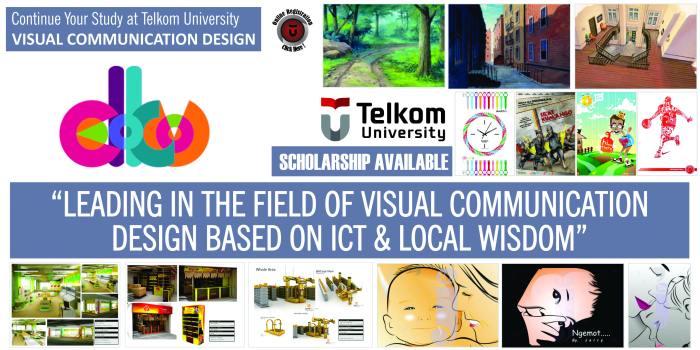
Visual storytelling is the art of conveying a narrative through imagery. Different approaches exist, each suited to specific contexts and audiences. Consider three mockups: The first, a minimalist infographic using icons and concise text to highlight key data points about climate change. The second, a vibrant, illustrated children’s book page depicting a whimsical adventure, prioritizing engaging imagery over dense text.
The third, a series of photographic stills documenting a social issue, relying on powerful imagery to evoke emotion and empathy. These diverse examples demonstrate how different visual styles can effectively communicate distinct narratives.
Common Pitfalls in Visual Communication and Their Solutions
Several common pitfalls hinder effective visual communication. Poor color choices can create jarring contrasts or convey unintended messages. Overcrowded designs overwhelm the viewer, obscuring the key message. Inconsistent branding undermines professionalism and weakens the overall impact. Solutions involve careful color palette selection using tools like Adobe Color, strategic whitespace utilization to guide the eye and prioritize information, and maintaining consistent branding elements across all design materials.
Incorporating User Feedback to Improve Design Effectiveness
A presentation outlining this process would begin by explaining the importance of user testing in the design cycle. The presentation would then detail methods for collecting feedback, such as A/B testing, user interviews, and surveys. Data analysis techniques, like heatmaps and user journey mapping, would be presented as tools for interpreting the gathered feedback. Finally, the presentation would showcase examples of how design iterations are informed by user feedback, leading to improved design effectiveness.
For example, a website redesign might show initial user frustration with navigation, leading to a revised layout based on heatmap data showing user gaze patterns.
Ethical Considerations in Visual Communication
Ethical considerations are paramount. Misrepresenting data through manipulated imagery, using culturally insensitive imagery, or perpetuating harmful stereotypes are significant ethical breaches. Responsible visual communication demands accuracy, cultural sensitivity, and awareness of potential biases embedded within imagery. This includes thoughtful sourcing of images and ensuring accurate representation of all subjects involved.
Checklist for Evaluating Design Impact and Effectiveness
A checklist for evaluating design effectiveness should assess clarity of the message, visual appeal, target audience engagement, and overall impact. It should include questions such as: Is the message easily understood? Is the design visually appealing and engaging? Does the design effectively reach the target audience? Does the design achieve its intended purpose?
Does the design align with ethical considerations? Answering these questions allows for a comprehensive evaluation of design effectiveness.
Summary

By mastering the principles of visual communication and implementing the strategies Artikeld in this guide, you’ll be well-equipped to create designs that not only capture attention but also effectively convey your intended message. Remember, impactful design is more than just aesthetics; it’s about strategic communication and understanding your audience. Continuously refine your skills, seek feedback, and embrace experimentation to consistently improve your ability to create impactful and memorable designs.