Reaching a wider audience is crucial for business growth, and strategically adjusting your distribution channels is key. This guide explores a systematic approach to evaluating your current reach, identifying gaps, and exploring new avenues for expanding your influence. We’ll delve into practical methods for analyzing your current strategies, identifying your target audience’s preferences, and benchmarking against competitors. This process involves not only identifying potential new channels but also developing a robust implementation plan and measuring success using key performance indicators (KPIs).
From online platforms like social media and email marketing to offline tactics such as partnerships and events, we’ll cover a diverse range of options. Understanding the cost-effectiveness and reach of each channel is paramount, allowing you to allocate resources efficiently and maximize your return on investment. The process also includes creating compelling content tailored to each specific channel, ensuring resonance with your target audience and driving engagement.
Assessing Your Current Reach and Identifying Gaps
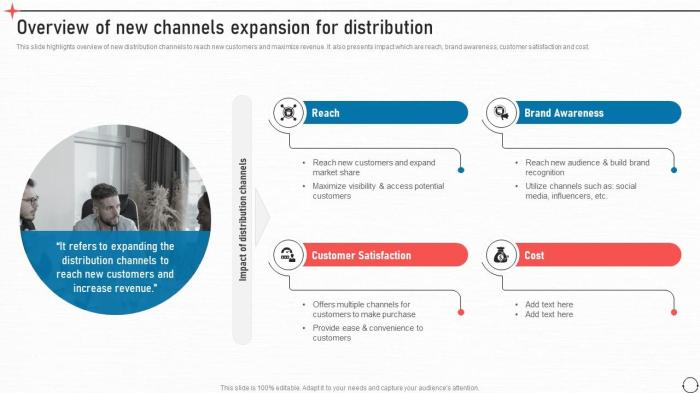
Understanding your current distribution channels and their effectiveness is crucial for strategic expansion. A thorough assessment allows you to identify areas for improvement and optimize your resources for maximum impact. This involves analyzing your existing channels, understanding your target audience’s preferences, and benchmarking against competitors.
Current Distribution Channel Analysis
Before expanding your reach, you need a clear picture of your current situation. This involves identifying all the channels you currently utilize to reach your customers, measuring their effectiveness, and calculating their return on investment (ROI). The following table provides a framework for this analysis. Remember to replace the example data with your own specific figures.
| Channel | Reach (e.g., Number of Customers, Website Visits) | Cost (e.g., Advertising Spend, Personnel Costs) | ROI (Return on Investment) |
|---|---|---|---|
| Social Media (Facebook, Instagram) | 10,000 followers, 500 website clicks per month | $500/month advertising | 15% |
| Email Marketing | 5,000 subscribers, 20% open rate | $100/month email service | 25% |
| Website | 1,000 unique visitors per month | $200/month hosting and maintenance | 10% |
| Partnerships (e.g., affiliate programs) | 500 new customers per year | 10% commission per sale | 30% |
| Traditional Advertising (e.g., print, radio) | 200 leads per quarter | $1000 per quarter | 5% |
Target Audience Communication Preferences
Knowing how your target audience prefers to receive information is critical. This involves detailed demographic analysis and understanding their online and offline habits. For example, a younger demographic might heavily favor social media platforms like TikTok and Instagram, while an older demographic might prefer email marketing or traditional print media. Consider factors such as age, location, income level, and interests when profiling your target audience.
Detailed surveys and market research can provide valuable insights into their preferred communication methods. For instance, if your analysis shows a significant portion of your target audience is active on TikTok, then incorporating TikTok into your distribution strategy is warranted.
Competitive Channel Analysis
Examining the distribution channels used by successful competitors in your niche provides valuable benchmarks and insights. Identify key players and analyze their strategies. For example, if a competitor is experiencing high success with influencer marketing on platforms like YouTube, consider incorporating a similar strategy into your own plan, adapting it to fit your specific brand and resources. Note that direct copying is not recommended; rather, analyze theeffectiveness* of their strategy and learn from their successes and failures to inform your own approach.
Analyzing their ROI and reach on various channels can help you make informed decisions about your own channel allocation.
Exploring New Distribution Channels and Strategies

Expanding your reach requires a strategic approach to distribution. This involves identifying and leveraging new channels to connect with a wider audience and increase sales. Careful consideration of cost, reach, and target audience alignment is crucial for successful channel expansion.
Exploring new distribution channels involves analyzing both online and offline options. Each presents unique opportunities and challenges, impacting your overall marketing strategy and budget. A well-defined plan incorporating multiple channels can create a more robust and effective distribution system.
Potential New Distribution Channels
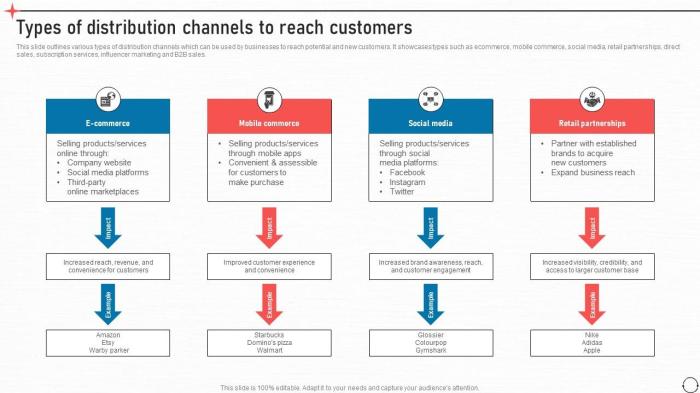
The following list categorizes potential new distribution channels, outlining their reach and cost considerations. It’s important to note that costs can vary significantly based on factors like marketing spend, platform fees, and staffing requirements.
- Online Channels:
- Social Media Marketing (e.g., Facebook, Instagram, TikTok): High potential reach, particularly for younger demographics. Cost varies widely depending on advertising spend and the level of organic engagement. Successful campaigns require consistent content creation and community engagement. Expect moderate to high costs.
- Influencer Marketing: Can reach a highly engaged niche audience. Cost depends on the influencer’s following and engagement rate. Requires careful selection of influencers aligned with your brand and target audience. Expect high costs.
- E-commerce Marketplaces (e.g., Amazon, Etsy): Access to a large existing customer base. Costs involve listing fees, transaction fees, and potential advertising expenses. Can provide significant reach with potentially lower costs than building your own e-commerce site. Expect moderate costs.
- Affiliate Marketing: Partnerships with other businesses to promote your products. Cost is performance-based, paying affiliates a commission on sales generated. Can offer high reach with potentially low upfront costs. Expect moderate costs.
- Offline Channels:
- Strategic Partnerships (e.g., retail collaborations): Reaching customers through established retail outlets. Costs vary greatly depending on the agreement. Can offer high reach with costs varying based on agreement. Expect moderate to high costs.
- Pop-up Shops and Events: Direct engagement with potential customers in a physical setting. Costs include venue rental, staffing, and marketing. Can offer high reach with potentially high costs, depending on the scale and location.
- Print Advertising (e.g., magazines, newspapers): Traditional method with a potentially older demographic. Costs depend on publication and ad size. Reach is potentially limited compared to digital channels and costs can be high.
Marketing Plan Incorporating New Distribution Channels
This marketing plan incorporates three new distribution channels: Social Media Marketing, Influencer Marketing, and E-commerce Marketplaces. The timeline and resource allocation are Artikeld below. This is a sample plan and should be adjusted based on your specific product, target audience, and budget.
- Phase 1 (Months 1-3): Focus on Social Media Marketing. Establish a consistent posting schedule, create engaging content, and run targeted advertising campaigns. Resource allocation: 50% budget, 1 FTE.
- Phase 2 (Months 4-6): Launch Influencer Marketing campaign. Identify and partner with relevant influencers. Monitor campaign performance and adjust as needed. Resource allocation: 30% budget, 0.5 FTE.
- Phase 3 (Months 7-9): Open shop on an E-commerce Marketplace. Optimize product listings, manage inventory, and monitor sales. Resource allocation: 20% budget, 0.5 FTE.
Comparison of New Distribution Channels
The following table compares the pros and cons of the three selected channels. This comparison considers cost, reach, and target audience alignment. Remember that these are generalizations and actual results will vary.
| Channel | Pros | Cons | Target Audience |
|---|---|---|---|
| Social Media Marketing | High reach, relatively low cost (compared to others), targeted advertising options | Requires consistent effort, algorithm changes can impact reach, difficult to measure ROI precisely | Broad, adaptable to specific demographics through targeting |
| Influencer Marketing | High engagement, targeted reach to specific niche audiences | High cost, requires careful influencer selection, potential for negative impact if influencer is unsuitable | Niche, depending on the influencer selected |
| E-commerce Marketplaces | Access to large customer base, established infrastructure, reduced marketing costs | High competition, platform fees, less control over branding and customer experience | Broad, depending on the marketplace and product category |
Implementing and Measuring the Success of New Channels
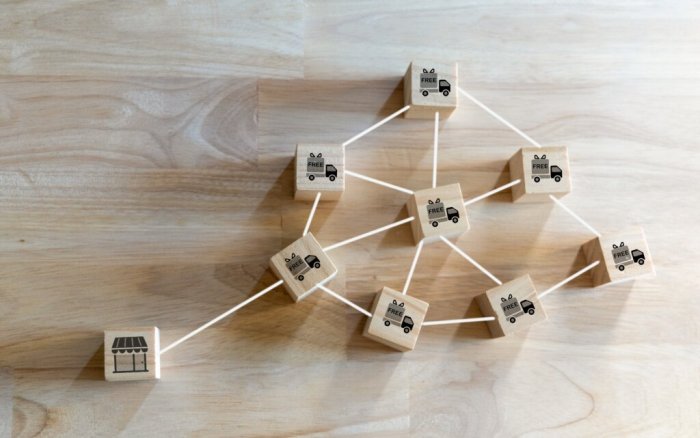
Successfully integrating new distribution channels requires a structured approach, moving beyond simply launching them and actively monitoring their performance. This involves meticulous planning, tailored content creation, and robust KPI tracking to ensure a positive return on investment. The following steps Artikel a practical framework for achieving this.
A phased rollout minimizes risk and allows for iterative improvements based on early performance data. This iterative process ensures resources are allocated efficiently and that adjustments are made swiftly to optimize channel performance.
Step-by-Step Implementation Plan for New Channels
Implementing a new channel isn’t a one-size-fits-all process; it needs to be tailored to the specific channel’s characteristics. However, a common framework can be applied. This involves defining clear objectives, developing a detailed action plan, establishing a timeline, assigning responsibilities, and allocating resources.
- Define Clear Objectives and Key Results (OKRs): Before launching, clearly define what success looks like for each channel. For example, for a new TikTok account, the objective might be to increase brand awareness, and the key result could be achieving 10,000 followers within three months.
- Develop a Detailed Action Plan: This plan should Artikel the specific tasks required, such as creating content, scheduling posts, engaging with the community, and analyzing results. For a new podcast, this might include identifying guest speakers, recording and editing episodes, submitting the podcast to directories, and promoting it on social media.
- Establish a Timeline and Assign Responsibilities: Create a realistic timeline for each task, and assign specific team members to be responsible for each aspect of the implementation. For a new YouTube channel, this could involve a content creator, a video editor, a social media manager, and a marketing analyst.
- Allocate Resources: This includes budgeting for tools, software, and personnel. For example, launching a new e-commerce website might require investment in website development, hosting, marketing, and customer service.
- Monitor and Iterate: Regularly monitor the progress of the implementation and make adjustments as needed. This iterative approach ensures that the process remains flexible and responsive to changing circumstances.
Content Tailored to New Channels
Content must be adapted to resonate with the audience and platform of each new channel. A generic approach will likely fail to capture attention.
- TikTok: Short-form, engaging video content focusing on trends, challenges, and behind-the-scenes glimpses. For example, a series of short videos showcasing product features in a creative and humorous way.
- Instagram: High-quality images and videos, utilizing relevant hashtags and engaging with followers through stories and reels. Example: visually appealing product photos, user-generated content showcasing the product, and Instagram stories showcasing daily operations.
- Podcast: Audio content that is informative, entertaining, and engaging, potentially including interviews, discussions, and storytelling. Example: A series of interviews with industry experts discussing trends in your field.
- LinkedIn: Professional and informative content, including articles, updates, and thought leadership pieces. Example: Articles about industry best practices, company updates, and thought leadership pieces on emerging trends.
KPI Tracking and Measurement Strategy
Effective measurement is crucial to understanding the success of each channel. This involves selecting relevant KPIs, establishing data collection methods, and analyzing the results to inform future strategies.
| Channel | KPIs | Data Collection Methods | Analysis Methods |
|---|---|---|---|
| TikTok | Followers, Engagement Rate, Video Views, Website Clicks | TikTok Analytics, Google Analytics | Compare performance against benchmarks, analyze trends over time |
| Followers, Engagement Rate, Reach, Website Clicks, Sales | Instagram Insights, Google Analytics, CRM data | Compare performance across different content types, identify high-performing posts | |
| Podcast | Downloads, Listenership, Reviews, Website Traffic | Podcast hosting platform analytics, Google Analytics | Track download numbers over time, analyze listener demographics |
| Followers, Engagement Rate, Website Clicks, Lead Generation | LinkedIn Analytics, Google Analytics, CRM data | Track lead generation metrics, analyze engagement with different content types |
Final Review
By systematically evaluating your current distribution channels, identifying areas for improvement, and strategically incorporating new approaches, you can significantly broaden your reach and achieve substantial business growth. Remember, consistent monitoring of KPIs is essential to track progress, make data-driven adjustments, and refine your strategy for ongoing success. A well-defined plan, coupled with a commitment to continuous improvement, will position your business for sustained expansion and a strong market presence.
Don’t hesitate to experiment and adapt your approach based on performance data; the key is to remain flexible and responsive to evolving market dynamics.