Effective brand messaging is crucial for business success. A disconnect between your brand’s message and your target audience’s needs can lead to missed opportunities and ultimately, failure. This guide provides a structured approach to analyzing your current messaging, researching your audience, and crafting a new brand narrative that truly resonates, driving engagement and fostering loyalty.
We’ll explore methods for understanding your current brand identity and comparing it to your target audience’s preferences. Through detailed research and strategic planning, you’ll learn how to define a new brand message, implement it across your marketing channels, and measure its effectiveness. This process involves identifying key performance indicators (KPIs) and gathering customer feedback to ensure your messaging is achieving its goals.
Understanding Your Current Brand Messaging and Target Audience
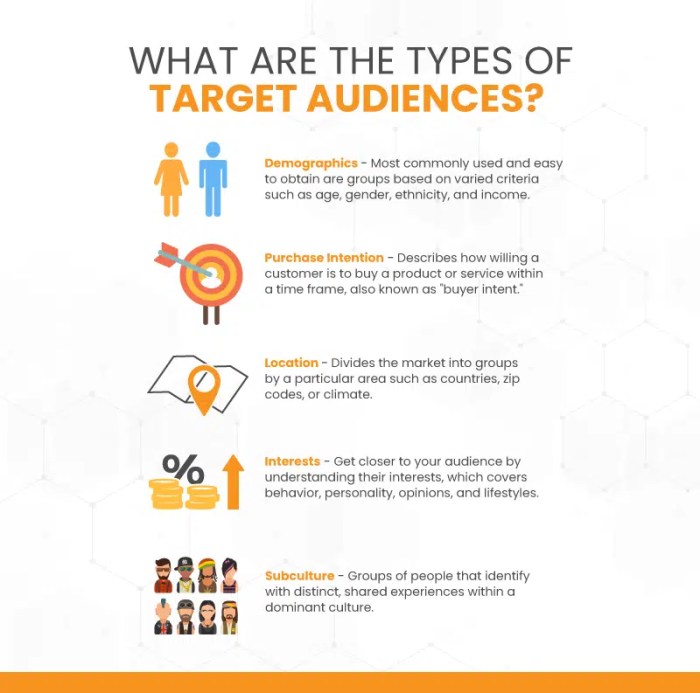
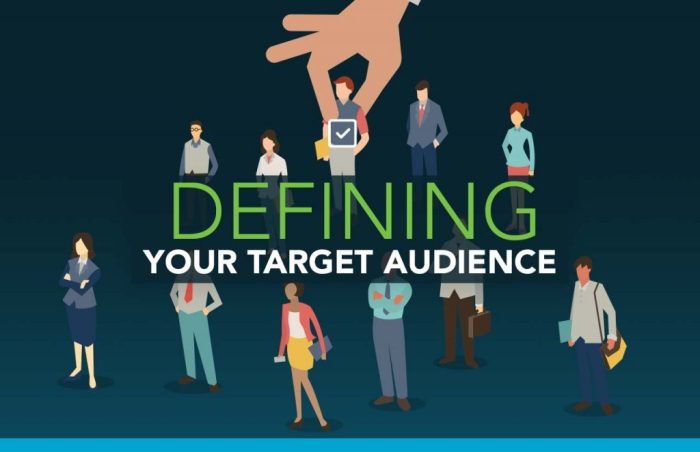
Before effectively changing your brand messaging, a thorough understanding of your current communication and target audience is crucial. This involves a detailed analysis of your existing brand identity and a precise profile of the people you aim to reach. Only then can you bridge the gap between what you’re currently saying and what your audience wants to hear.
Current Brand Messaging Analysis
Our current brand messaging centers around the theme of “innovative technology for a better tomorrow.” Key phrases include “cutting-edge,” “future-forward,” “seamless integration,” and “user-friendly.” The tone is generally optimistic and aspirational, aiming for a feeling of excitement and progress. Visually, we utilize clean lines, a predominantly blue color palette, and abstract imagery representing technological advancement, such as interconnected nodes or futuristic cityscapes.
This creates a sense of sophistication and modernity.
Target Audience Profile
Understanding our target audience requires examining their demographics, psychographics, needs, and pain points. The following table summarizes this information:
| Demographic | Psychographic | Needs | Pain Points |
|---|---|---|---|
| 25-45 years old, predominantly male, high disposable income, tech-savvy, urban/suburban dwellers | Early adopters, value efficiency and convenience, interested in sustainability and social responsibility, driven by professional success | Streamlined workflows, increased productivity, reliable and secure technology solutions, integration with existing systems, eco-friendly options | Complexity of technology, time-consuming setup, lack of user-friendly interfaces, security breaches, high costs of maintenance, environmental impact of technology |
Messaging Alignment and Misalignment
While our current messaging highlights innovation (“cutting-edge,” “future-forward”), it doesn’t explicitly address the specific needs and pain points of our target audience. For example, while we mention “user-friendly,” we haven’t demonstrated this through concrete examples or testimonials. The aspirational tone, while positive, might not resonate with the pragmatic, efficiency-focused nature of our target audience. There’s a clear alignment in the emphasis on technology and progress, but a significant gap in addressing practical concerns like cost, security, and ease of use.
Visual Representation of the Messaging Gap
Imagine two concentric circles. The inner circle represents our current brand messaging, a small, tightly packed cluster of abstract technological symbols within a blue sphere. The outer circle, significantly larger, represents our target audience’s expectations. This larger circle is filled with more concrete images representing streamlined workflows, user-friendly interfaces, security measures, and sustainable practices. The significant space between the inner and outer circles visually depicts the gap between our current messaging and what our audience actually seeks.
The small, abstract inner circle feels distant and unconnected to the practical concerns illustrated in the much larger outer circle. The contrast in size and content highlights the misalignment.
Researching and Defining New Brand Messaging
Crafting compelling brand messaging requires a deep understanding of your target audience and a thorough analysis of your competitive landscape. This involves not only identifying what your current messaging lacks but also actively researching what resonates with your ideal customer and how your competitors are achieving success. This research will inform the development of a new brand narrative that accurately reflects your brand values and attracts your target audience.
Analyzing Successful Competitor Messaging
Effective brand messaging is often reflected in a brand’s ability to connect emotionally with its target audience, build trust, and clearly communicate its unique value proposition. Let’s consider a few examples. Dove’s “Real Beauty” campaign successfully challenged traditional beauty standards by showcasing diverse body types and celebrating real women. This resonated deeply with a target audience seeking authenticity and inclusivity.
In contrast, Nike’s “Just Do It” campaign uses a short, powerful phrase that inspires action and embodies the brand’s focus on athletic achievement. Its simplicity and broad appeal make it highly effective. Finally, Apple’s consistent messaging around simplicity, elegance, and innovation creates a premium brand image that attracts a loyal customer base. These examples highlight the importance of clarity, authenticity, and emotional connection in crafting effective brand messaging.
Three Brand Messaging Approaches
Three distinct approaches can resonate strongly with a target audience: a focus on problem-solving, emphasizing emotional connection, or highlighting unique brand personality.
Problem-Solving Approach: This approach centers on clearly identifying and addressing a customer’s pain points. Taglines might include “Solving your [problem] challenges,” or “Your solution for [problem].” Key phrases could include “efficient,” “reliable,” “effective,” and “results-oriented.” For example, a software company could use the tagline “Streamlining your workflow for maximum efficiency.”
Emotional Connection Approach: This approach aims to create a deeper bond with customers by tapping into their emotions. Taglines could be “Experience the feeling of [positive emotion],” or “Connecting you to [value/emotion].” Key phrases might be “passionate,” “inspiring,” “trustworthy,” and “authentic.” A travel agency could use the tagline, “Unforgettable adventures, lasting memories.”
Unique Brand Personality Approach: This approach uses humor, wit, or a distinctive voice to establish a memorable brand identity. Taglines might include “[Brand Name]: Your [adjective] choice,” or “[Brand Name]: [Catchy phrase].” Key phrases could emphasize playful, sophisticated, or rebellious aspects depending on the brand’s desired personality. A clothing brand might use the tagline “Dress your individuality.”
Core Brand Values
Defining core brand values is crucial for consistent messaging and brand identity. Five core values that resonate broadly with many target audiences include:
- Integrity: Maintaining honesty and ethical practices in all business dealings.
- Innovation: Continuously seeking new and improved ways to serve customers.
- Customer Focus: Prioritizing customer needs and satisfaction above all else.
- Quality: Delivering products or services that meet the highest standards.
- Sustainability: Operating in an environmentally and socially responsible manner.
Brand Statement
Based on the above values, a concise brand statement could be: “We are committed to delivering high-quality, innovative solutions with integrity, always prioritizing customer satisfaction and sustainable practices.”
Implementing and Measuring the New Brand Messaging
Successfully implementing a new brand message requires a strategic approach that encompasses a comprehensive plan, meticulous execution across various channels, and consistent monitoring of its effectiveness. This involves not only adapting existing marketing materials but also actively seeking and incorporating customer feedback to ensure resonance and positive impact.Implementing the revised messaging requires a multi-faceted strategy. We will not only change the words but also ensure the visual identity, tone of voice, and overall brand experience align with the new message.
This integrated approach maximizes the impact and ensures consistency across all customer touchpoints.
Implementation Plan and Timeline
A detailed plan is crucial for the successful rollout of the new brand messaging. This plan Artikels the specific tasks, responsible parties, timelines, and budget allocations.
| Task | Responsible Party | Timeline | Budget |
|---|---|---|---|
| Website Content Update | Marketing Team | Weeks 1-3 | $2,000 (includes designer fees for minor graphic updates) |
| Social Media Content Calendar Revision | Social Media Manager | Weeks 1-2 | $500 (includes social media advertising budget for initial campaign) |
| Print Material Redesign (Brochures, Flyers) | Marketing Team/Designer | Weeks 4-6 | $3,000 (includes printing costs) |
| Email Template Update | Marketing Team | Weeks 2-3 | $0 (internal resources) |
| Employee Training on New Messaging | HR and Marketing Team | Week 4 | $1,000 (training materials and facilitator fees) |
Website and Social Media Adaptation
The website will be the central hub for the new brand messaging. All existing content will be reviewed and updated to reflect the new tone, voice, and key messages. For example, a previous tagline like “The Fastest Solution” might be replaced with “Your Partner for Seamless Solutions,” reflecting a more collaborative and customer-centric approach. Social media posts will similarly incorporate the new messaging, using consistent hashtags and visual elements.
We will leverage visual storytelling through high-quality images and videos to enhance engagement. For example, instead of solely promoting product features, social media posts will highlight customer success stories and testimonials that align with the new brand values.
Key Performance Indicators (KPIs) and Tracking
Measuring the success of the new brand messaging requires a set of carefully chosen KPIs. These will include website traffic, social media engagement (likes, shares, comments), lead generation, conversion rates, and customer satisfaction scores. We will track these KPIs using Google Analytics, social media analytics dashboards, and customer surveys. A/B testing will be implemented on website and social media content to compare the performance of the old and new messaging.
Data analysis will be conducted regularly to identify trends and areas for improvement.
Customer Feedback Collection
Gathering customer feedback is essential for evaluating the impact of the new brand messaging. This will be done through a variety of methods, including online surveys, social media monitoring, customer interviews, and focus groups. The feedback will be analyzed to understand how customers perceive the new message, whether it resonates with them, and if it influences their purchasing decisions.
This feedback loop will allow us to make necessary adjustments to the messaging strategy and ensure it remains effective and relevant.
Epilogue
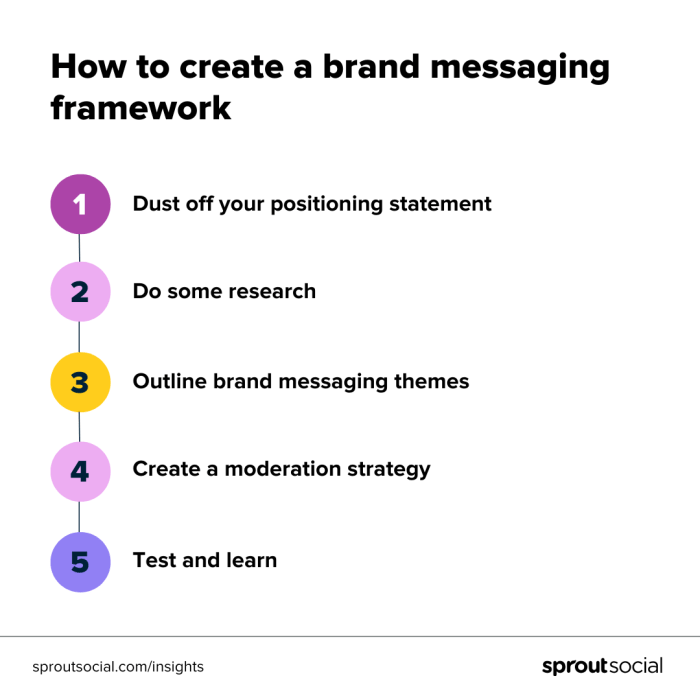
By meticulously analyzing your current brand messaging, thoroughly researching your target audience, and strategically implementing a revised message, you can significantly improve your brand’s connection with potential customers. Remember, consistent monitoring and adaptation based on feedback are essential for long-term success. A well-defined and resonant brand message is not a static entity; it’s a living, evolving reflection of your brand and its relationship with its audience.