Expanding your professional network is crucial for career advancement and personal growth. This guide provides a structured approach to enhancing your networking skills, moving beyond superficial interactions to build genuine, mutually beneficial relationships. We’ll explore strategies for self-assessment, diverse networking approaches, and effective communication techniques, ultimately helping you cultivate a robust and supportive network.
From identifying your networking strengths and weaknesses to mastering the art of online and offline engagement, we’ll equip you with practical tools and actionable steps. We’ll delve into the nuances of building rapport, maintaining connections, and leveraging digital platforms to maximize your networking impact. This comprehensive guide will empower you to transform your networking approach and unlock a world of opportunities.
Assessing Your Current Networking Skills
Effective networking is crucial for career advancement and personal growth. Before you can improve your networking skills, it’s essential to understand your current strengths and weaknesses. This self-assessment will help you identify areas needing attention and create a targeted plan for improvement.
Identifying Networking Strengths and Weaknesses
Begin by honestly evaluating your networking approach. Consider past experiences – both positive and negative – to pinpoint areas where you excel and where you struggle. For example, are you comfortable initiating conversations? Do you actively listen and engage in meaningful discussions? Do you follow up effectively after networking events?
Identifying these strengths and weaknesses provides a solid foundation for targeted improvement. A simple SWOT analysis (Strengths, Weaknesses, Opportunities, Threats) can be a useful tool in this process. For instance, a strength might be your ability to build rapport quickly, while a weakness could be a reluctance to ask for help or favors.
Comparing Your Networking Style to Effective Strategies
Effective networking isn’t about collecting business cards; it’s about building genuine relationships. Compare your current approach to established best practices. Do you focus on building mutually beneficial relationships, or is your approach primarily transactional? Effective networking involves active listening, genuine interest in others, and a willingness to offer help and support. Consider whether you prioritize building a wide network or cultivating deeper relationships within a smaller group.
The most effective strategy often involves a combination of both.
Areas Needing Improvement in Professional Networking
Many professionals struggle with specific aspects of networking. Common areas for improvement include follow-up communication, maintaining long-term relationships, leveraging online platforms, and articulating a clear professional value proposition. For instance, consistently failing to follow up after meetings could indicate a need to improve organizational skills and time management. Similarly, a lack of online presence might highlight a need to develop a professional online profile and engage in relevant online communities.
Designing a Plan to Address Weaknesses
Once you’ve identified your weaknesses, create a concrete plan to address them. This plan should include specific, measurable, achievable, relevant, and time-bound (SMART) goals. For example, if your weakness is following up, your goal might be to send a personalized email to every new contact within 24 hours of meeting them for the next month. If you struggle with articulating your value proposition, practice your elevator pitch until it feels natural and confident.
Regularly review and adjust your plan as needed.
Comparison of Traditional and Modern Networking Methods
| Method | Description | Pros | Cons |
|---|---|---|---|
| Traditional Networking (e.g., Conferences, Industry Events) | In-person interactions at conferences, workshops, or industry-specific events. | Stronger relationship building, immediate feedback, better understanding of body language. | Time-consuming, geographically limited, can be expensive. |
| Online Networking (e.g., LinkedIn, Twitter) | Utilizing online platforms to connect with professionals, share information, and build relationships. | Wider reach, cost-effective, allows for asynchronous communication. | Can feel less personal, requires consistent effort to maintain engagement, potential for superficial connections. |
| Email Networking | Using email to connect with individuals, share information, and follow up on meetings. | Efficient for large-scale communication, creates a record of interaction. | Can be impersonal, high risk of being ignored, requires careful crafting of messages. |
| Informational Interviews | Reaching out to individuals in your field to learn about their experiences and career paths. | Provides valuable insights, allows for personalized advice, can lead to unexpected opportunities. | Requires initiative and careful planning, may not always result in immediate benefits. |
Expanding Your Network Through Diverse Strategies
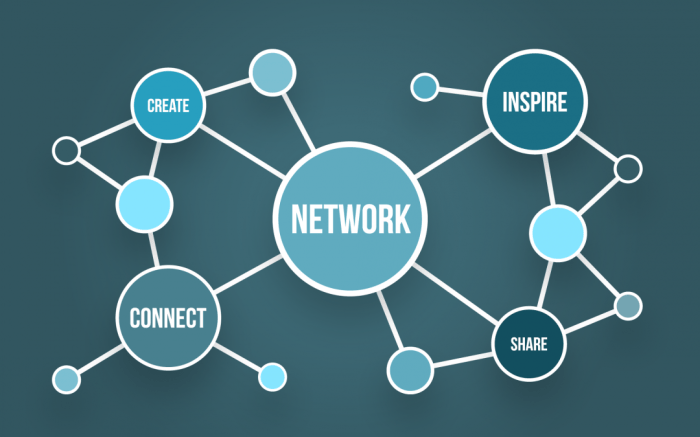
Building a robust professional network requires a multifaceted approach, encompassing both online and offline interactions. Strategic networking isn’t about collecting contacts; it’s about cultivating meaningful relationships that can benefit your career trajectory and personal growth. This section explores various effective strategies for expanding your network and maximizing their potential.
Effective Networking Strategies: Online and Offline
Successful networking blends virtual and in-person interactions. Online platforms offer scalability and reach, while offline events foster deeper connections. For instance, attending industry conferences allows for direct interaction and relationship building, while LinkedIn provides a platform to connect with professionals globally. A balanced approach leverages the strengths of both.
- Offline Strategies: Industry conferences, workshops, professional association meetings, volunteer work, alumni events, and informal coffee chats provide opportunities for face-to-face interactions, building rapport and trust more effectively than digital channels alone. For example, participating in a local business networking group can lead to unexpected collaborations and referrals.
- Online Strategies: LinkedIn remains a cornerstone of professional networking, allowing you to connect with colleagues, industry leaders, and potential employers. Actively engaging in relevant groups, sharing insightful content, and participating in discussions can significantly increase your visibility and attract valuable connections. Twitter can be used to follow industry influencers and participate in relevant conversations, while platforms like Meetup can facilitate participation in niche professional groups.
Cross-Industry Networking Benefits
Networking isn’t limited to your own industry. Connecting with professionals from diverse fields can expose you to innovative ideas, different perspectives, and unexpected opportunities. For example, a marketing professional networking with a software engineer might uncover opportunities to develop innovative marketing solutions, leading to new collaborations and business ventures. This cross-pollination of ideas fosters creativity and expands your problem-solving capabilities.
Furthermore, a diverse network can provide access to resources and knowledge beyond your immediate field.
Attending Industry Events and Conferences
A well-structured plan is crucial for maximizing the benefits of industry events. Before attending, research the event’s agenda, identify key speakers and attendees you wish to connect with, and set clear networking goals. During the event, actively participate in sessions, engage in conversations, exchange business cards, and follow up with new contacts promptly. After the event, review your notes, connect with individuals on LinkedIn, and send personalized thank-you notes to strengthen the newly formed relationships.
For example, attending a technology conference could lead to collaborations, partnerships, or job opportunities.
Leveraging Social Media for Professional Networking
Social media platforms, particularly LinkedIn, offer powerful networking tools. Craft a compelling professional profile that accurately reflects your skills and experience. Engage actively in relevant groups, share insightful content related to your industry, and participate in discussions. Following industry influencers and engaging with their posts can increase your visibility and broaden your network. Remember, authenticity and genuine engagement are key to building trust and forming meaningful connections.
For example, consistently sharing valuable industry insights on LinkedIn can establish you as a thought leader and attract connections from people seeking expertise in your field.
Actionable Steps for Initiating and Maintaining Professional Relationships
Building and maintaining strong professional relationships requires consistent effort.
- Initiate Contact: Reach out to individuals with a personalized message, expressing genuine interest in their work or expertise. Avoid generic, mass-produced messages.
- Engage Meaningfully: Participate in conversations, share relevant information, and offer assistance where appropriate. Focus on building genuine rapport, not just collecting contacts.
- Follow Up: After meeting someone, send a personalized follow-up email or message to reiterate your interest and reinforce the connection. This demonstrates professionalism and reinforces the relationship.
- Maintain Contact: Regularly engage with your contacts through social media, emails, or occasional informal check-ins. This keeps the relationship alive and fosters ongoing collaboration.
- Reciprocity: Networking is a two-way street. Be willing to offer help and support to your contacts, as this fosters mutual respect and strengthens relationships.
Ending Remarks
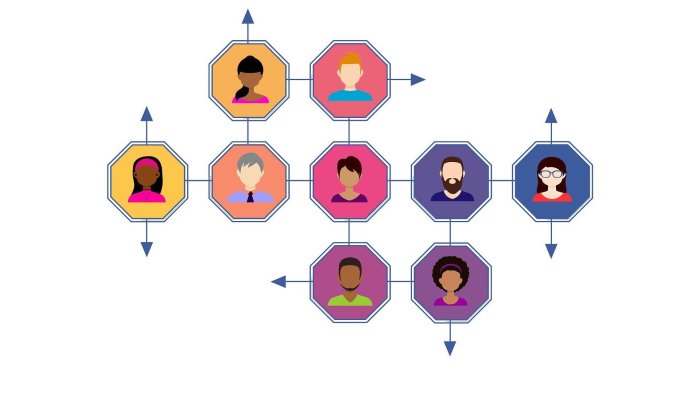
By implementing the strategies Artikeld in this guide, you can significantly enhance your networking abilities and expand your professional connections. Remember, networking is an ongoing process that requires consistent effort and genuine engagement. By focusing on building authentic relationships, actively listening, and thoughtfully following up, you’ll cultivate a network that provides invaluable support, collaboration, and opportunities for years to come.
Invest in your networking skills, and watch your professional horizons expand.